
SAFETUCK
Safe. Simple. Secure.
SafeTuck Surgical Restraint Device
Bring a more efficient approach to patient limb positioning in your operating room. SafeTuck is an easy-to-use surgical restraint device designed to secure patients’ arms and legs while supporting intraoperative access and a consistent setup process.
Replace the routine of gathering and arranging sheets, towels, and disposable padding with a purpose-built system for your surgical team.
How SafeTuck Works
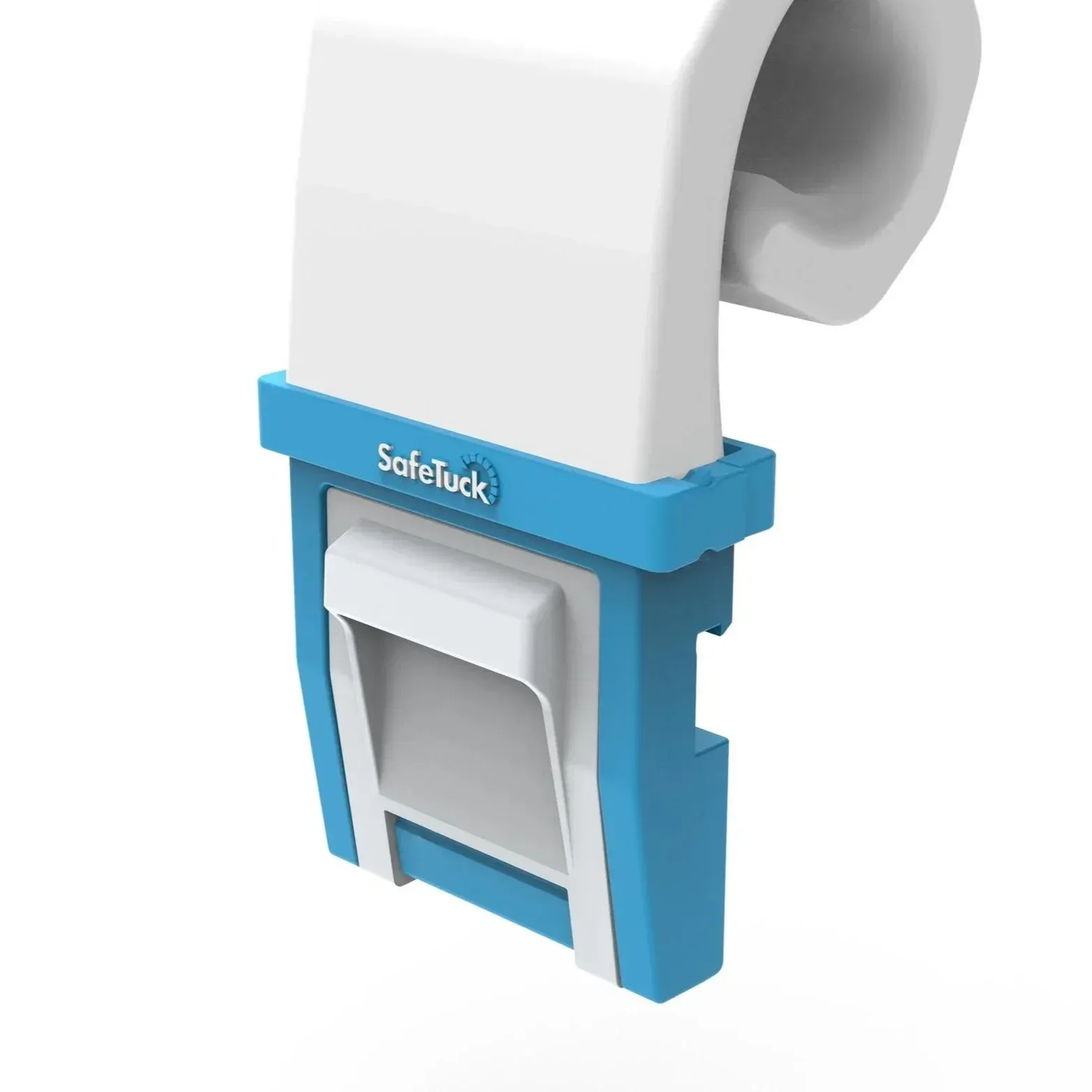
Attach to the OR Table Rail
The device connects to the operating room table rail, positioning the restraint system where your team needs it.
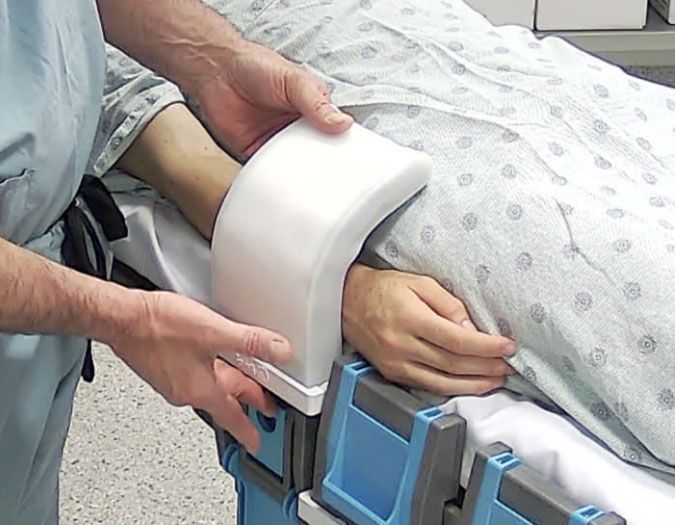
Position Around the Patient’s Limb
The linkage-based design wraps around the patient’s arm or leg to support secure positioning.
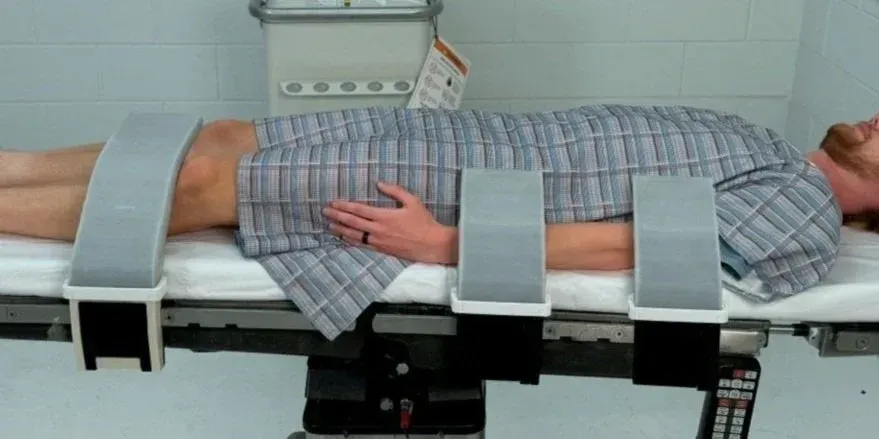
Lock into Place
A simple lever locks the system into position.
A Better Approach to Securing Patients’ Limbs
Securing a patient’s limbs is a critical part of surgical preparation. Your team needs a solution that supports patient safety, works efficiently, and allows access when needed.
SafeTuck attaches to the rail of the operating room table. Its linkage-based system wraps around the patient’s limb and locks into position using a simple lever, giving your team a straightforward approach to limb restraint.
Designed Around the Needs of Your OR
Reduce Patient Setup Time
Help your team spend less time gathering supplies and securing limbs. SafeTuck streamlines the restraint process with a system designed for quick placement and adjustment.
Reduce Supply Costs
Reduce reliance on disposable padding and the supplies used in conventional limb-tucking methods. SafeTuck can help facilities identify opportunities to lower recurring supply costs.
Support Secure Limb Positioning
SafeTuck is designed to help keep patients’ arms and legs secured on the operating room table, addressing the risk of limbs becoming displaced during surgery.
Simplify Intraoperative Arm Access
Give anesthesia providers easier access to tucked arms when they need to evaluate an IV or arterial line or establish additional access during a procedure.
Reduce Waste
Using fewer disposable materials for limb restraint can help reduce waste generated during surgical preparation.
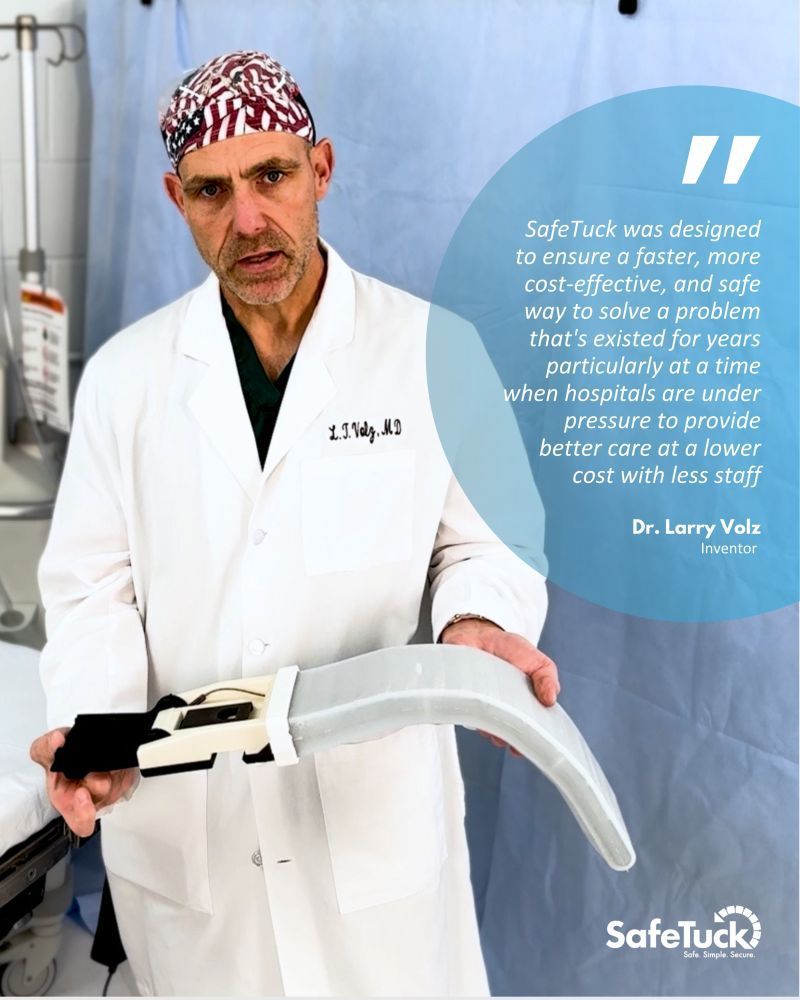
Secure Positioning. Accessible Arms. Efficient Preparation.
SafeTuck brings several operating room priorities together in one device:
- Straightforward setup for securing patients’ arms and legs.
- Intraoperative access to tucked arms.
- Reduced reliance on disposable supplies used during conventional tucking.
- Secure limb positioning designed to help prevent displacement.
- A consistent restraint process for your surgical team.